



A conventional friction between marketing and sales costs organizations a fortune every year in lost revenue and pipeline. Take a second and think about what matters more for an organization than generating a pipeline. It is incredibly difficult to find an answer.
We often hear about different business concepts. Some companies lean heavily into product led growth. In other cases, they operate firmly as sales led organizations. But it is very rare to hear someone genuinely advocate for a marketing led growth model. One of the core reasons is that it is simply too hard for many to believe that marketing can actually close anything on its own. The red line between marketing and sales is very clear, and unfortunately, it is deeply entrenched.
The Meeting Room Disconnect
When you sit in a combined meeting between marketing and sales, the dynamic is predictable. Marketing will advocate for a new strategy or build a campaign, and sales will refuse to acknowledge its value. In these meetings, acknowledgement usually devolves into one party giving feedback to the other without any concluded results.
When this happens consistently, the results are critical. Companies go into execution paralysis. Off the record, during a private lunch or breakfast, a major percentage of sales professionals will tell you the exact same thing: marketing is trying to do the responsibilities of sales, or marketing is just trying to take credit for what sales is already doing.
When you trace this back to the core reason, it is almost always a disconnect between the leadership in marketing and the leadership in sales. While some of this disconnect comes naturally, the majority stems from a difference in process definitions and a lack of clarity regarding how each team contributes to organizational growth.
I have had the chance to work directly with CEOs facing this exact friction. The responsibility of a CEO is not to run marketing and sales directly, but rather to bridge this gap. Most of the time, to respect their leadership teams, the CEO steps back and lets the department heads define the process. Recently, we have seen the rise of the Chief Revenue Officer to help essentialize this bridge, but the underlying problem solving must still occur at the operational level.
Step One: Fixing the Ideal Customer Profile
To resolve this friction, we first need to define role clarity. The concept of qualified leads and target accounts is a major player here. Is your marketing team generating something that actually works for sales?
In many cases, the Ideal Customer Profile is generated entirely by the marketing team. They sit down, look at some secondary research, and maybe take a tiny amount of input from sales. This becomes the foundation of failure.
In our modern system, you have access to more data points than ever before. Marketing must sit with the sales team. After completing primary research, both teams need to lock in the definition with absolute confidence. It cannot be a solo decision from the marketing side.
When marketing thinks they do not need sales to sign off, it stops being a technical data issue and becomes a problem of human psychology. Why would a sales professional execute a strategy they fundamentally disagree with, especially when their job performance is measured strictly by how much money they generate? Marketing and sales must reach a locked agreement that they are chasing the exact same targets.
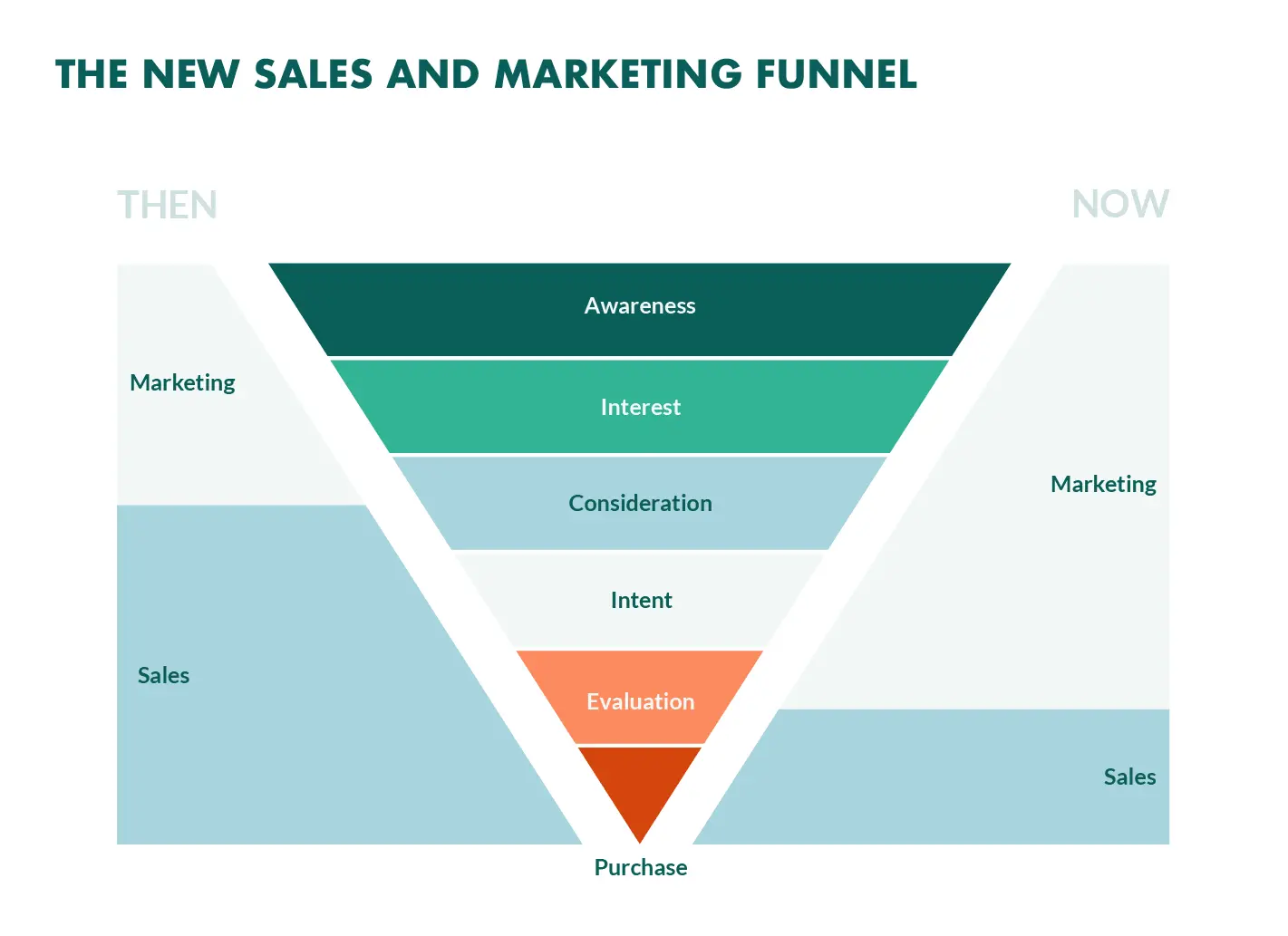 Step Two: The Modern Hand Off
The second critical component is the marketing to sales hand off. You might have built a qualification system, and you might have even secured total agreement on the Ideal Customer Profile. But how are you actually handing those leads to the sales team?
Based on data from over 200 companies at Mountainise, my personal framework demands that this hand off take place in an entirely different dimension in current times. Sales should only be given a “hand raise.”
A hand raise means a prospect is actually interested in speaking with someone. Data aggregation makes this highly possible today. Consider this example:
- Your business identifies a website visitor named John Scott.
- John Scott is browsing specific service pages.
- Marketing serves John Scott with highly customized content directly related to his browsing behavior.
- Even if John does not fill out a generic request form, marketing prompts him with targeted offers asking if he wants to learn more.
- When John explicitly shows interest in that prompt, the lead becomes highly qualified.
The old middle stage differentiation, where a lead is considered qualified simply because they downloaded an ebook, does not work effectively anymore.
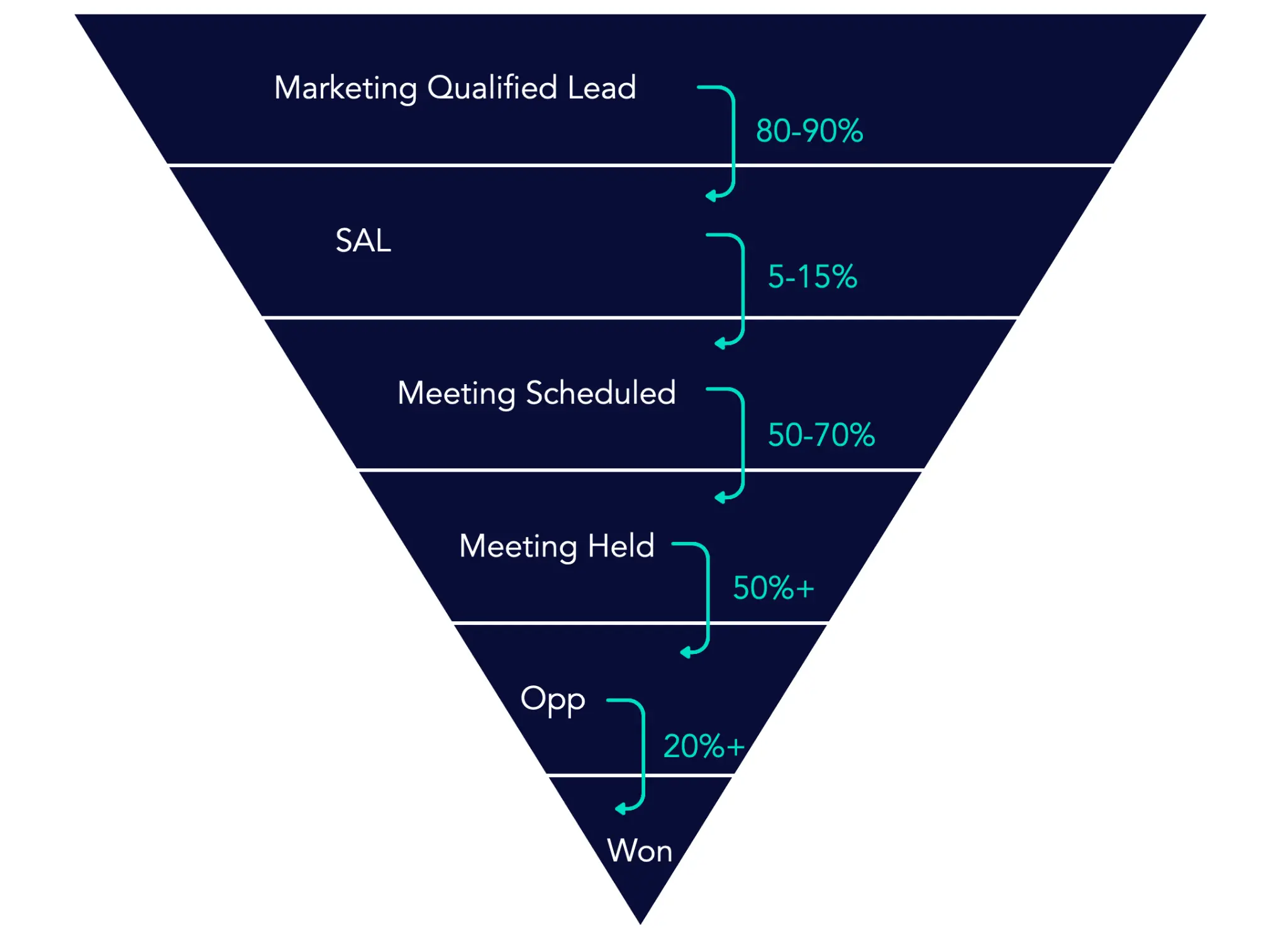
The True Engine of Growth
Industry data consistently backs up the need for this tight operational integration.
“Companies with tightly aligned sales and marketing operations achieve 24 percent faster three year revenue growth and 27 percent faster three year profit growth.” (SiriusDecisions)
When sales professionals look at their queue, they need prioritization based on detailed information about how to reach out, without the historical confusion marketing has created for years. Marketing needs to build an agile, variable engine to capture genuine interest. In turn, sales must work the engine that goes directly behind that verified interest. When both teams operate on this shared system, the costly friction disappears, and true revenue growth begins.