

Introduction
Salesforce powers over 150,000 companies worldwide, making it the world’s leading CRM platform. Yet, its real strength lies in seamless integrations, connecting AI, IoT, and even legacy systems to unlock new value.
With global CRM spending projected to surpass $120 billion by 2027, businesses are under pressure to modernize without abandoning existing infrastructure.
Salesforce integrations offer that bridge, enabling smarter insights, connected devices, and unified data that drive efficiency, innovation, and long-term growth across industries.
Key Takeaways
- Salesforce integrations unify AI, IoT, and legacy systems effectively.
- AI-powered Salesforce delivers smarter insights and predictive decision-making.
- IoT integration transforms device data into actionable business intelligence.
- Legacy systems gain new value through Salesforce integration strategies.
- Custom CRM development ensures scalable, industry-specific Salesforce solutions.
The Role of Salesforce Integrations
Salesforce is more than just a CRM; it becomes the backbone of business operations when integrated with other tools and technologies. The true value of Salesforce Integration Services lies in their ability to unify fragmented systems, whether it’s aligning marketing and sales platforms, connecting IoT devices, or modernizing outdated legacy infrastructure.
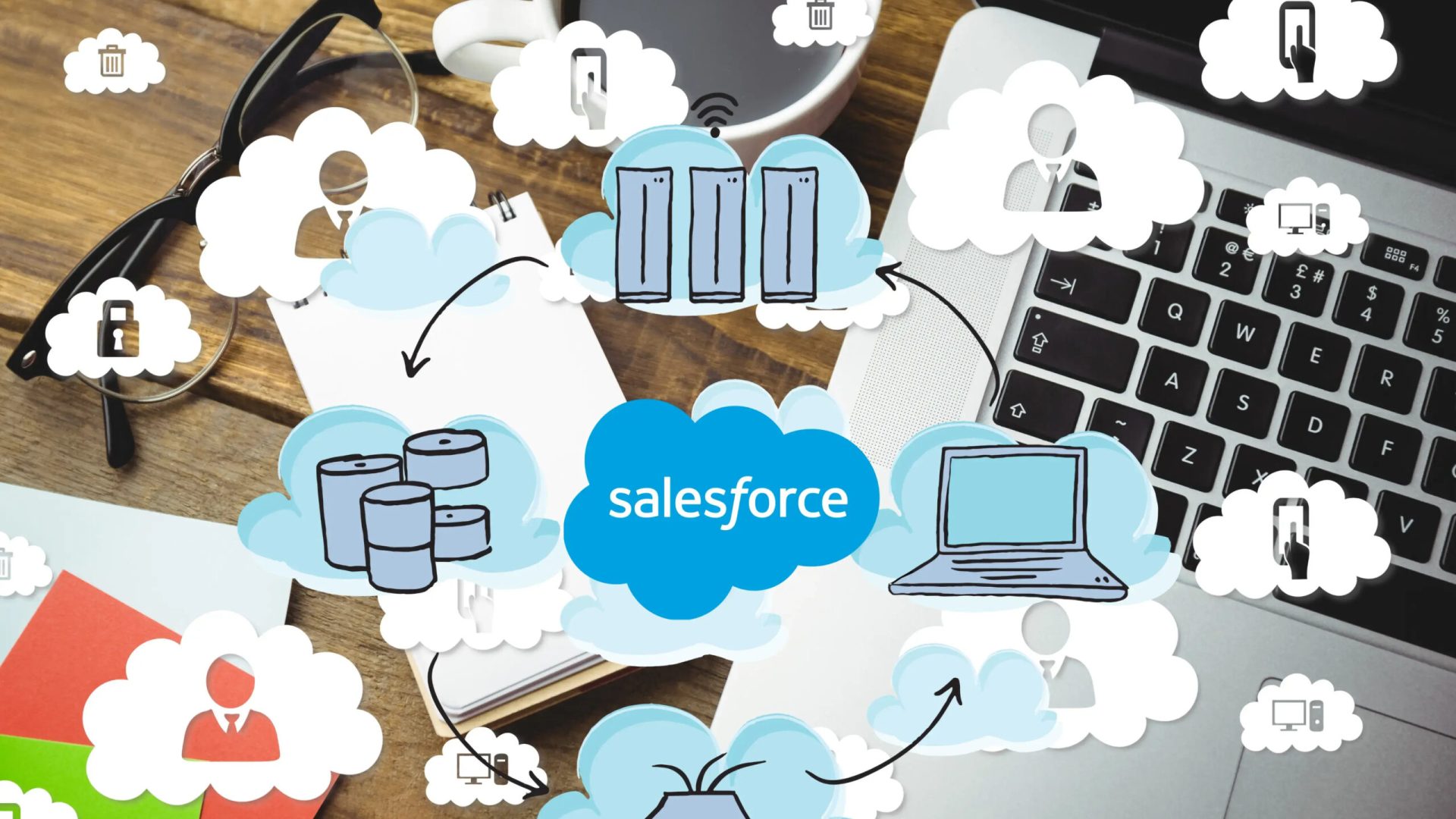
By bridging these ecosystems, companies eliminate data silos, improve workflow efficiency, and create a single source of truth for decision-making. For example, a Salesforce HubSpot Integration helps marketing and sales teams share real-time insights, improving lead management and customer engagement. Similarly, integrating Salesforce with ERP systems enables finance and operations teams to work with accurate, synchronized data.
Organizations often rely on a Salesforce Integration Consultant to design and implement strategies that align with long-term goals. Done right, integrations transform Salesforce from a standalone CRM into a connected, intelligent platform that drives growth, scalability, and innovation.
AI and Salesforce: Driving Intelligent Insights
The Internet of Things (IoT) is generating vast amounts of data, but without integration, that data often goes unused. Salesforce bridges this gap through its IoT Cloud, which connects millions of devices directly to business processes. By leveraging Salesforce Integration Services, organizations can capture sensor data, analyze it in real time, and trigger automated actions that improve efficiency and customer experience.
Consider a manufacturing company: IoT-enabled machines can feed performance metrics into Salesforce, where predictive analytics alert technicians before breakdowns occur. In healthcare, connected devices like wearables can transmit patient vitals directly into a Salesforce-powered dashboard, helping providers deliver timely interventions. Retailers also benefit by linking smart devices to customer profiles, enabling personalized shopping experiences.
For many companies, custom CRM development services play a key role in tailoring these IoT integrations to specific industries. By combining device data with customer information, businesses gain actionable intelligence that drives innovation, reduces downtime, and enhances service delivery. Salesforce, when paired with IoT, transforms raw data into meaningful business outcomes.
IoT and Salesforce: Connecting Devices to Business Intelligence
The Internet of Things (IoT) is generating vast amounts of data, but without integration, that data often goes unused. Salesforce bridges this gap through its IoT Cloud, which connects millions of devices directly to business processes. By leveraging Salesforce Integration Services, organizations can capture sensor data, analyze it in real time, and trigger automated actions that improve efficiency and customer experience.
Consider a manufacturing company: IoT-enabled machines can feed performance metrics into Salesforce, where predictive analytics alert technicians before breakdowns occur. In healthcare, connected devices like wearables can transmit patient vitals directly into a Salesforce-powered dashboard, helping providers deliver timely interventions. Retailers also benefit by linking smart devices to customer profiles, enabling personalized shopping experiences.
For many companies, custom CRM development services play a key role in tailoring these IoT integrations to specific industries. By combining device data with customer information, businesses gain actionable intelligence that drives innovation, reduces downtime, and enhances service delivery. Salesforce, when paired with IoT, transforms raw data into meaningful business outcomes.
Bridging Legacy Systems with Salesforce
While many organizations are adopting AI and IoT, legacy systems still power critical business functions. Replacing them entirely is often costly and disruptive, which is why integration with Salesforce is a more practical solution. Through Salesforce Integration Services, businesses can connect outdated ERPs, databases, and on-premise applications with modern cloud infrastructure, creating a unified ecosystem without abandoning existing investments.
One of the biggest challenges with legacy systems is the presence of data silos and limited API capabilities. A skilled Salesforce Integration Consultant helps overcome these hurdles by designing middleware solutions, ensuring data flows securely and consistently across platforms. This makes it possible to synchronize customer records, financial data, and operational workflows in real time.
In industries like banking, healthcare, and manufacturing, where legacy systems are deeply entrenched, companies often turn to custom CRM development services to tailor integrations that match compliance standards and industry-specific needs. By bridging old and new technologies, Salesforce not only extends the lifespan of legacy systems but also unlocks new value by enabling advanced analytics, automation, and seamless collaboration.
Discover which marketing automation platform fits your business best in our comprehensive guide: Pros and Cons of Pardot vs. Salesforce Marketing Cloud.
Best Practices for Seamless Integrations
Successful Salesforce integrations require more than just connecting systems; they need a strategy that ensures scalability, security, and long-term value. Here are some best practices organizations should follow:
- Define Clear Objectives: Before engaging in any integration project, identify specific goals such as improving customer insights, reducing manual tasks, or aligning sales and marketing data.
- Choose the Right Tools and Services: Leverage professional Salesforce Integration Services to select APIs, middleware, or connectors that best fit your business model. This ensures compatibility with both modern applications and legacy infrastructure.
- Engage Expert Consultants: A seasoned Salesforce Integration Consultant can help anticipate challenges, optimize workflows, and ensure compliance with security standards. Their expertise reduces risks and accelerates deployment.
- Invest in Custom Development: Off-the-shelf solutions may not address unique business needs. Using custom CRM development services allows companies to tailor integrations to industry-specific processes, ensuring maximum impact.
- Test and Monitor Continuously: After deployment, ongoing testing and performance monitoring are critical. This guarantees system reliability and helps fine-tune integrations as business needs evolve.
If you’re experiencing issues with data syncing in Salesforce, our guide on Fixing Salesforce Integration Sync Failures walks you through step-by-step solutions.
Future Outlook: The Convergence of AI, IoT, and Legacy Systems
The next decade will see even deeper integration between AI, IoT, and legacy systems within Salesforce. As businesses generate more data from connected devices, the demand for Salesforce Integration Services will rise, enabling organizations to process information in real time and act on insights instantly. According to Gartner, over 75% of enterprise data will be created outside of traditional data centers by 2025, making integrated platforms essential.
AI will drive predictive decision-making, IoT will fuel real-time responsiveness, and legacy systems will continue serving as foundational data sources. The challenge lies in ensuring these components work seamlessly together. Here, the role of a Salesforce Integration Consultant becomes critical, helping companies design secure, scalable frameworks that bridge both modern and traditional technologies.
At the same time, businesses investing in custom CRM development services will future-proof their operations, ensuring integrations adapt as technologies evolve. The convergence of AI, IoT, and legacy systems within Salesforce isn’t just about connectivity, it’s about building a digital ecosystem that is intelligent, resilient, and agile enough to meet tomorrow’s challenges.
Conclusion
Salesforce integrations are the key to unlocking the full potential of AI, IoT, and legacy systems. By eliminating silos and enabling intelligent, connected workflows, businesses gain efficiency, innovation, and scalability. Whether through custom CRM development services or expert guidance from a Salesforce Integration Consultant, the path forward is clear: future-proof your operations. Partner with us to design seamless Salesforce integrations that drive lasting growth.
Ready to optimize your Salesforce integrations? Book a Free Salesforce Consultation with our experts today.
Leave a Reply
You must be logged in to post a comment.